Autonomy first
The vehicle is designed without a human fallback driver. Sensing, planning, and actuation are built around that fact.
Safety
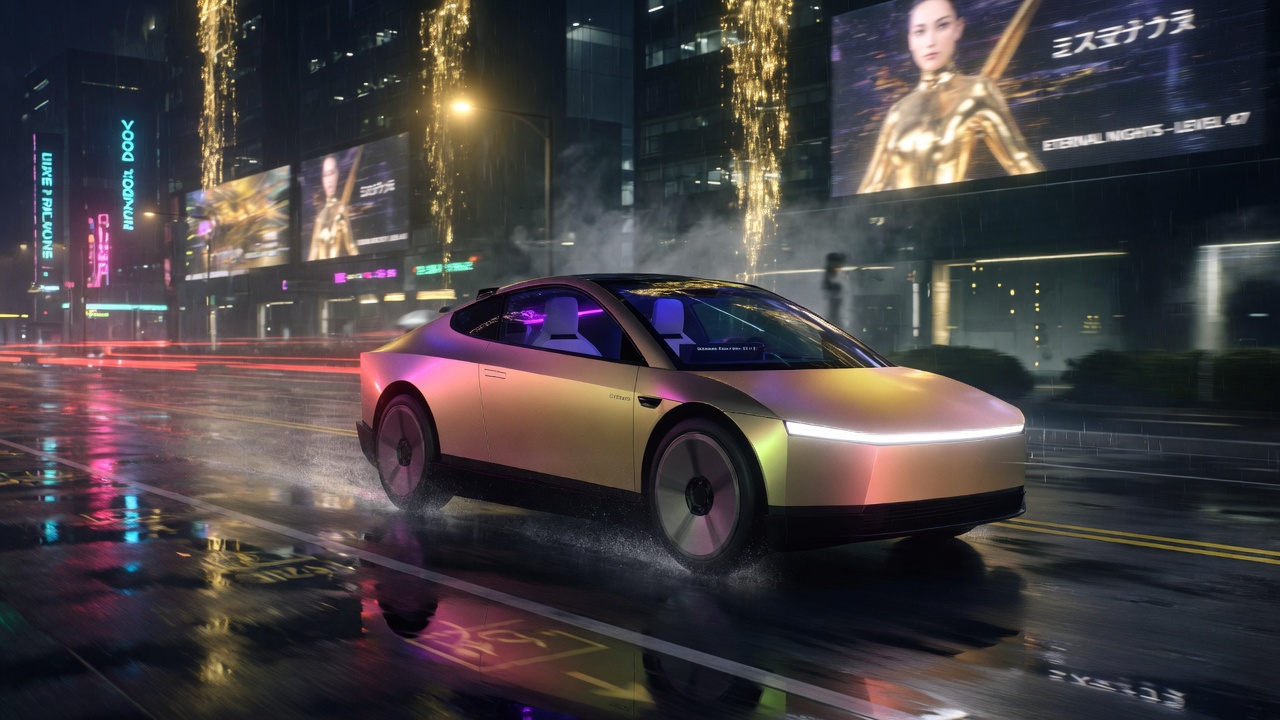
Removing the steering wheel only works if the vehicle can own the whole trip — day, night, rain, and rush hour.
The vehicle is designed without a human fallback driver. Sensing, planning, and actuation are built around that fact.
Critical compute, braking, and steering paths are duplicated so a single fault does not end the trip unsafely.
The stack is tuned for dense urban scenes: cyclists, sudden curb activity, night rain, and tight intersections.
Occupancy sensing and an in-cabin interface keep the ride accountable — start, stop, and support when needed.
If the vehicle needs help, a remote operator can assist with the scene. Passengers are never asked to drive.
Fleet data feeds model updates and route policy. Safety is treated as an operating system, not a brochure line.
Design
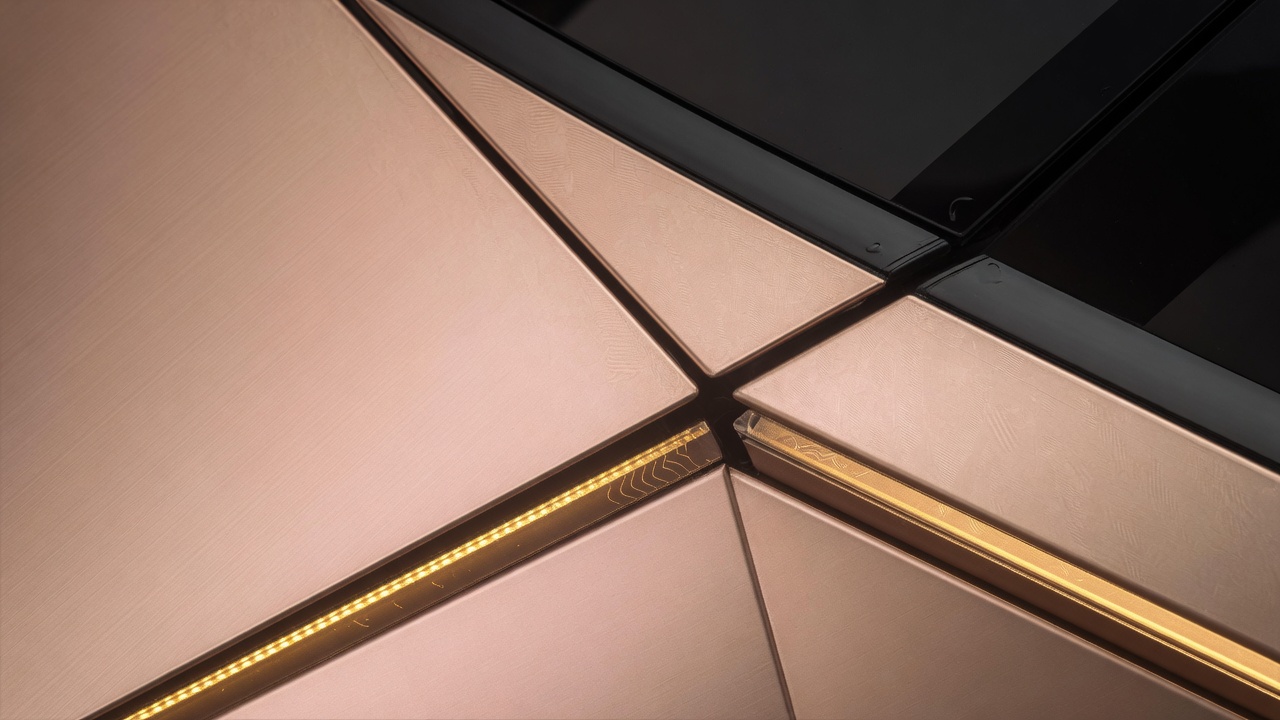
Cameras, radar, and compute are packaged into the body rather than bolted on later. The goal is a clean field of view and hardware that can be maintained at fleet scale.
Ready when you are
Ride when you are ready. Safety policy is part of every trip on the network.